Blog / Hillsboro Mazda Service

Blog

All Hillsboro Mazda Service Hillsboro Mazda Dealer Royal Moore Mazda Mazda Information Royal Moore Mazda Service Things to do in Hillsboro OR Blog Places to eat in Hillsboro OR
2024_cx5-desktop-art-in-every-detail-features-design

Ask Your Mazda Dealership: 6 Signs of a Faulty Ignition Coil

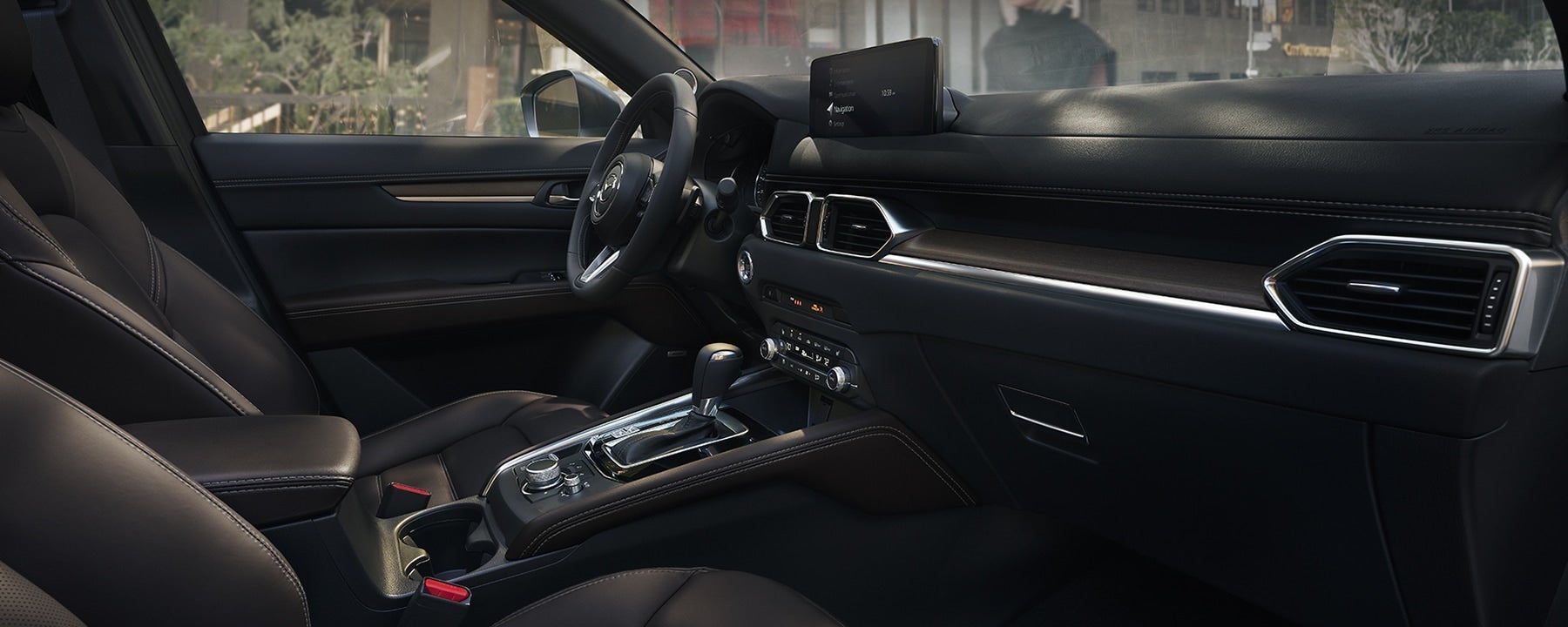
A smooth-running engine depends on the spark plugs, which in turn rely on the ignition coils. If one of your coils fouls, cracks, or malfunctions, the corresponding cylinder will no longer be able to fire properly. This misfiring robs the engine of power and can even damage your car. If you notice the following indications of a bad coil, have it repaired or replaced at your local Mazda dealer as soon as you can. Ask Your Mazda Dealership: 6 Signs of a Faulty Ignition Coil Dropping Engine Power With all cylinders firing as they should, your car will be cruising along with as much power as you need. But if one bad coil prevents a spark plug and cylinder from doing its job, your engine's power will be significantly reduced. You're likely to notice this sudden loss of power when attempting to accelerate or when driving at speed on the highway. more Coughing, Sputtering Engine When a coil begins to fail, the connected spark plug will be unable to produce the electricity required to ignite the fuel. As this spark plug misfires, the engine will cough, sputter, and shake. You may also hear strange banging sounds coming from the engine. It's best to respond quickly to signs of misfiring, as the engine and elements inside the exhaust system can rapidly become damaged. Rough Idling and Stalls Misfiring spark plugs make the ordinary smooth purr of an idling engine become rougher and louder. Your misfiring engine will clearly struggle when you pause at traffic lights and may even stall. Then, once stalled, you might find it difficult to restart with at least one coil failing to function properly. Falling Gas Mileage When a bad coil causes misfiring, the fuel injector will continue to pump fuel into the cylinder. As this fuel is no longer being converted into mechanical power, your car will be traveling less far for each gallon of fuel it consumes. You'll need to stop for gas more frequently. Black Smoke and Backfiring With a bad coil preventing the spark plug from sparking, the unburned fuel will collect inside the combustion chamber, coating the spark plug with sooty residue, thereby worsening the problem. This unburned fuel will also start to leak back into the exhaust pipes, wherein it may ignite, creating a loud bang and spewing black smoke from the tailpipe. Blinking Check Engine Light Fortunately, the check engine light will usually come to life on your dashboard as soon as one of your coils fails. It's unwise to ignore this light; head to your local dealership without delay for repairs. Got a bad coil? Visit Royal Moore Mazda in Hillsboro, OR, to have it repaired or replaced today.  For over 50 years, we've been helping out the region's drivers with excellent vehicles, competitive deals, and prompt, courteous customer care.
2024_cx5-desktop-art-in-every-detail-features-design

Ask Your Mazda Dealership: 6 Signs of a Faulty Ignition Coil

A smooth-running engine depends on the spark plugs, which in turn rely on the ignition coils. If one of your coils fouls, cracks, or malfunctions, the corresponding cylinder will no longer be able to fire properly. This misfiring robs the engine of power and can even damage your car. If you notice the following indications of a bad coil, have it repaired or replaced at your local Mazda dealer as soon as you can. Ask Your Mazda Dealership: 6 Signs of a Faulty Ignition Coil Dropping Engine Power With all cylinders firing as they should, your car will be cruising along with as much power as you need. But if one bad coil prevents a spark plug and cylinder from doing its job, your engine's power will be significantly reduced. You're likely to notice this sudden loss of power when attempting to accelerate or when driving at speed on the highway. more Coughing, Sputtering Engine When a coil begins to fail, the connected spark plug will be unable to produce the electricity required to ignite the fuel. As this spark plug misfires, the engine will cough, sputter, and shake. You may also hear strange banging sounds coming from the engine. It's best to respond quickly to signs of misfiring, as the engine and elements inside the exhaust system can rapidly become damaged. Rough Idling and Stalls Misfiring spark plugs make the ordinary smooth purr of an idling engine become rougher and louder. Your misfiring engine will clearly struggle when you pause at traffic lights and may even stall. Then, once stalled, you might find it difficult to restart with at least one coil failing to function properly. Falling Gas Mileage When a bad coil causes misfiring, the fuel injector will continue to pump fuel into the cylinder. As this fuel is no longer being converted into mechanical power, your car will be traveling less far for each gallon of fuel it consumes. You'll need to stop for gas more frequently. Black Smoke and Backfiring With a bad coil preventing the spark plug from sparking, the unburned fuel will collect inside the combustion chamber, coating the spark plug with sooty residue, thereby worsening the problem. This unburned fuel will also start to leak back into the exhaust pipes, wherein it may ignite, creating a loud bang and spewing black smoke from the tailpipe. Blinking Check Engine Light Fortunately, the check engine light will usually come to life on your dashboard as soon as one of your coils fails. It's unwise to ignore this light; head to your local dealership without delay for repairs. Got a bad coil? Visit Royal Moore Mazda in Hillsboro, OR, to have it repaired or replaced today.  For over 50 years, we've been helping out the region's drivers with excellent vehicles, competitive deals, and prompt, courteous customer care.
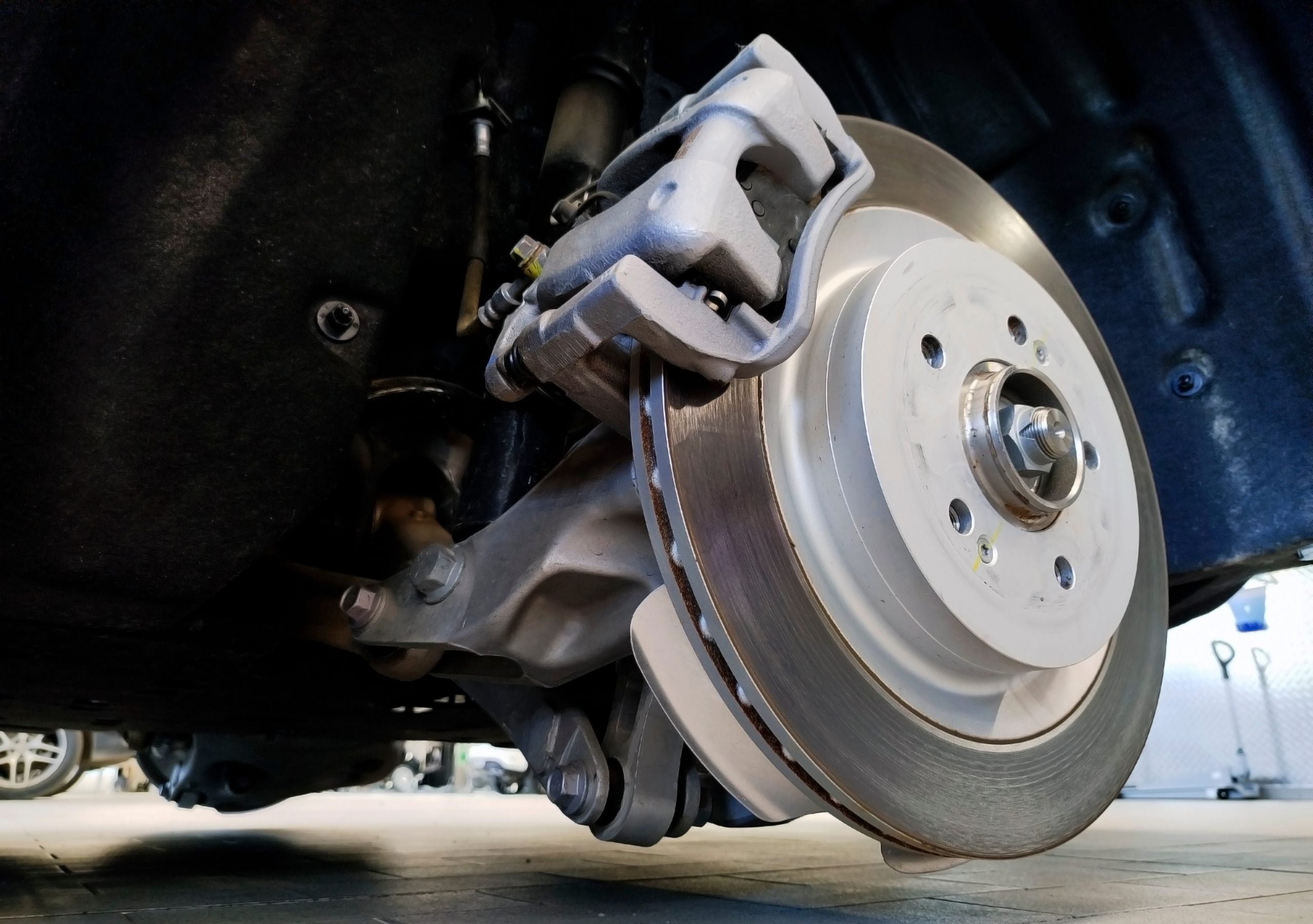
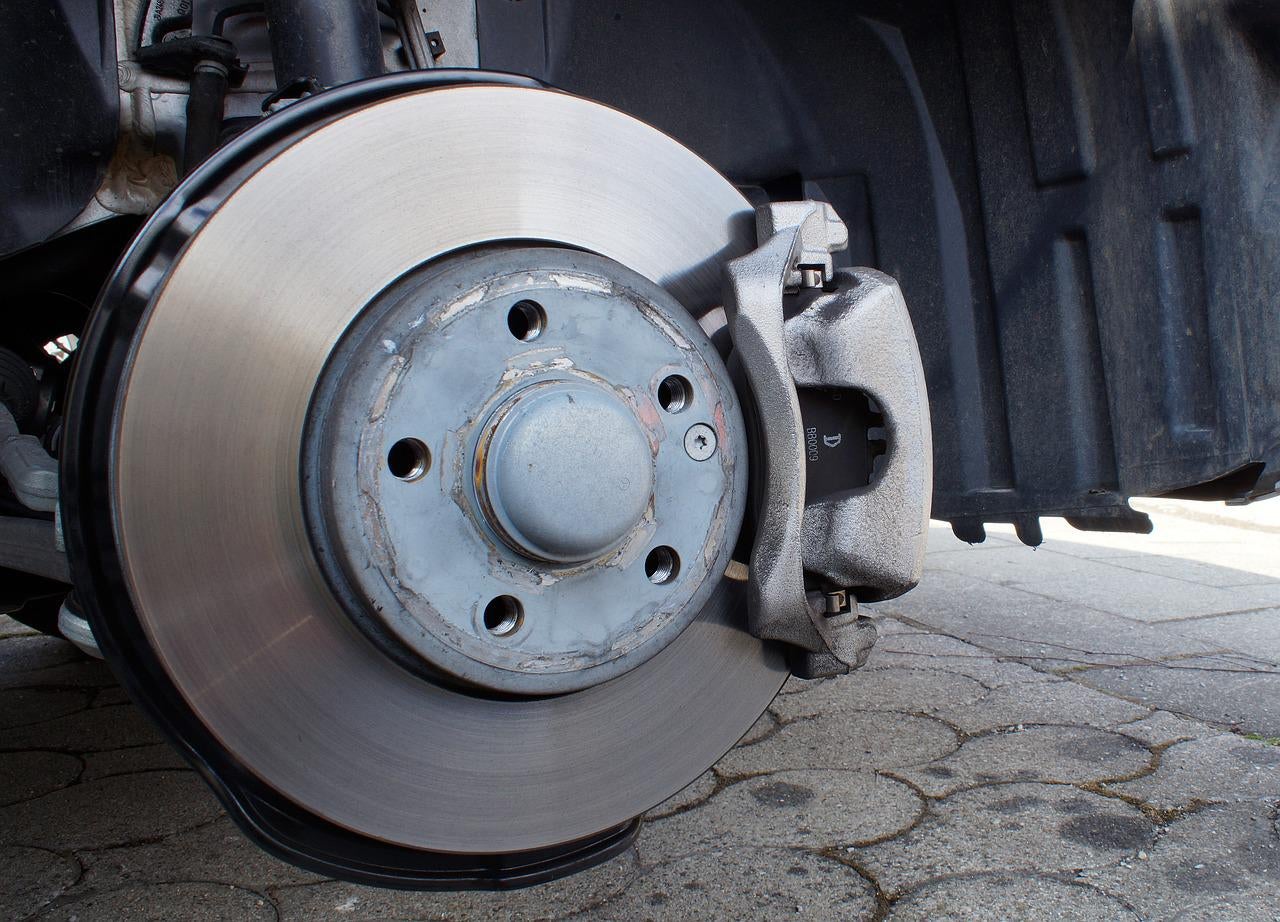
The,Brake,Disc,And,Brake,Caliper,Are,Installed,On,The

5 Signs Your Mazda Needs a Brake Repair

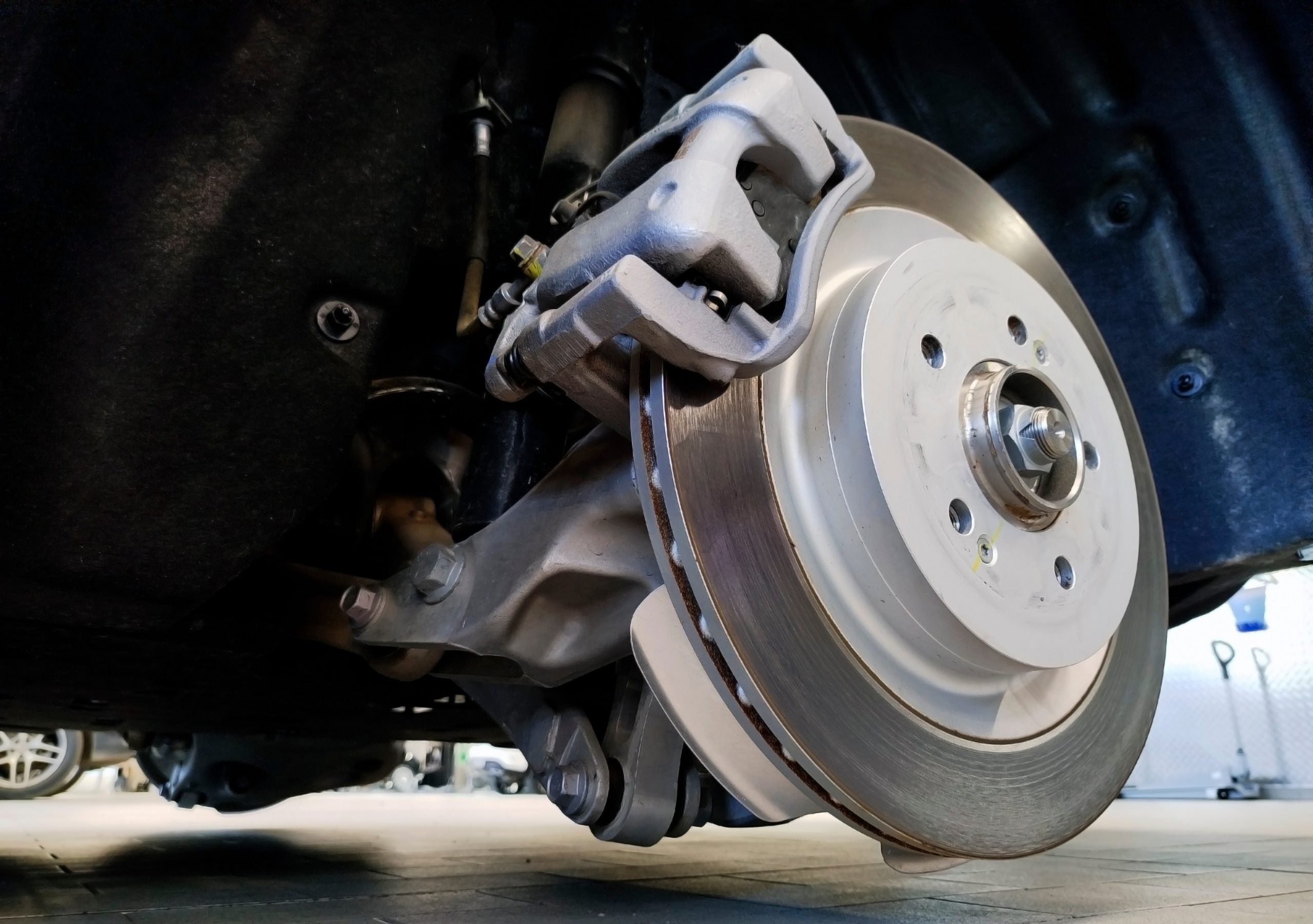
Brakes are the unsung heroes of your car, working hard to ensure that you stop on a dime every time you press the pedal. However, if you neglect to properly maintain your brakes, that stopping precision may one day diminish. Along with routine brake inspections at your local Mazda dealer, it's crucial to get brake repair promptly carried out at any indication of trouble. Here are five key warning signs to look out for. 5 Signs Your Mazda Needs a Brake Repair Your Brake Pads Are Squealing Brakes occasionally emit squealing sounds for various reasons. Sometimes, this noise means there's a little water on the brake pads, in which case the noise won't last. If the squealing persists, your brakes might have a rust issue. More commonly, squealing points to a worn-out brake pad, which is designed to make this noise to let you know it's time for a new pad. If you hear metallic grinding sounds, one of your pads might have lost its upper friction layer altogether, which means it's causing damage to the rotor and needs to be replaced immediately. more Your Rotor Discs Are Pulsing Most rotors are made from cast iron or even stronger materials and tend to last a very long time. However, overheating or excessive use can weaken a rotor and cause it to warp or become scored by the brake pad. If this happens, you may feel a rhythmic pulsing through the brake pedal and steering wheel as a brake pad presses against a malformed rotor. Your Calipers Are Clattering The calipers serve as the casing for each braking mechanism. If one of the pistons inside a caliper seizes or a loose bolt, pin, or stone becomes trapped in the caliper, you might hear it clattering or grinding when you brake. Your Brake Pedal Feels Spongy Any soft or spongy sensation to the brake pedal may point to leaking brake fluid. This means optimal hydraulic pressure has been lost inside one of the brake lines and your car will no longer stop as promptly. Never continue to drive if you suspect leaking brake fluid. Your Brakes Are Overheating Towing heavy trailers, descending steep mountain roads, winding through hills, and navigating busy city traffic all require continuous braking. This can sometimes cause brakes to reach enormous temperatures and overheat, which may lead to brake fade. The phenomenon of brake fade temporarily reduces the friction necessary to stop a car. If your brakes seem to suddenly weaken, pull over safely and allow them to cool down. If the problem continues when your brakes are cool, ask a trusted technician to take a look. Have Your Brakes Inspected at Your Mazda Dealer Regular brake inspection is the flip side of the brake maintenance coin. It's advisable to have your brakes inspected at your local dealer twice a year; our technicians can let you know how safe your brakes currently are to use and quickly repair or replace worn-out parts. Visit Royal Moore Mazda in Hillsboro, OR, today to have your brakes examined by experienced professionals. Our locally owned and operated dealership provides consistently high-quality customer care, whatever your automobile needs may be.

The,Brake,Disc,And,Brake,Caliper,Are,Installed,On,The

5 Signs Your Mazda Needs a Brake Repair

Brakes are the unsung heroes of your car, working hard to ensure that you stop on a dime every time you press the pedal. However, if you neglect to properly maintain your brakes, that stopping precision may one day diminish. Along with routine brake inspections at your local Mazda dealer, it's crucial to get brake repair promptly carried out at any indication of trouble. Here are five key warning signs to look out for. 5 Signs Your Mazda Needs a Brake Repair Your Brake Pads Are Squealing Brakes occasionally emit squealing sounds for various reasons. Sometimes, this noise means there's a little water on the brake pads, in which case the noise won't last. If the squealing persists, your brakes might have a rust issue. More commonly, squealing points to a worn-out brake pad, which is designed to make this noise to let you know it's time for a new pad. If you hear metallic grinding sounds, one of your pads might have lost its upper friction layer altogether, which means it's causing damage to the rotor and needs to be replaced immediately. more Your Rotor Discs Are Pulsing Most rotors are made from cast iron or even stronger materials and tend to last a very long time. However, overheating or excessive use can weaken a rotor and cause it to warp or become scored by the brake pad. If this happens, you may feel a rhythmic pulsing through the brake pedal and steering wheel as a brake pad presses against a malformed rotor. Your Calipers Are Clattering The calipers serve as the casing for each braking mechanism. If one of the pistons inside a caliper seizes or a loose bolt, pin, or stone becomes trapped in the caliper, you might hear it clattering or grinding when you brake. Your Brake Pedal Feels Spongy Any soft or spongy sensation to the brake pedal may point to leaking brake fluid. This means optimal hydraulic pressure has been lost inside one of the brake lines and your car will no longer stop as promptly. Never continue to drive if you suspect leaking brake fluid. Your Brakes Are Overheating Towing heavy trailers, descending steep mountain roads, winding through hills, and navigating busy city traffic all require continuous braking. This can sometimes cause brakes to reach enormous temperatures and overheat, which may lead to brake fade. The phenomenon of brake fade temporarily reduces the friction necessary to stop a car. If your brakes seem to suddenly weaken, pull over safely and allow them to cool down. If the problem continues when your brakes are cool, ask a trusted technician to take a look. Have Your Brakes Inspected at Your Mazda Dealer Regular brake inspection is the flip side of the brake maintenance coin. It's advisable to have your brakes inspected at your local dealer twice a year; our technicians can let you know how safe your brakes currently are to use and quickly repair or replace worn-out parts. Visit Royal Moore Mazda in Hillsboro, OR, today to have your brakes examined by experienced professionals. Our locally owned and operated dealership provides consistently high-quality customer care, whatever your automobile needs may be.

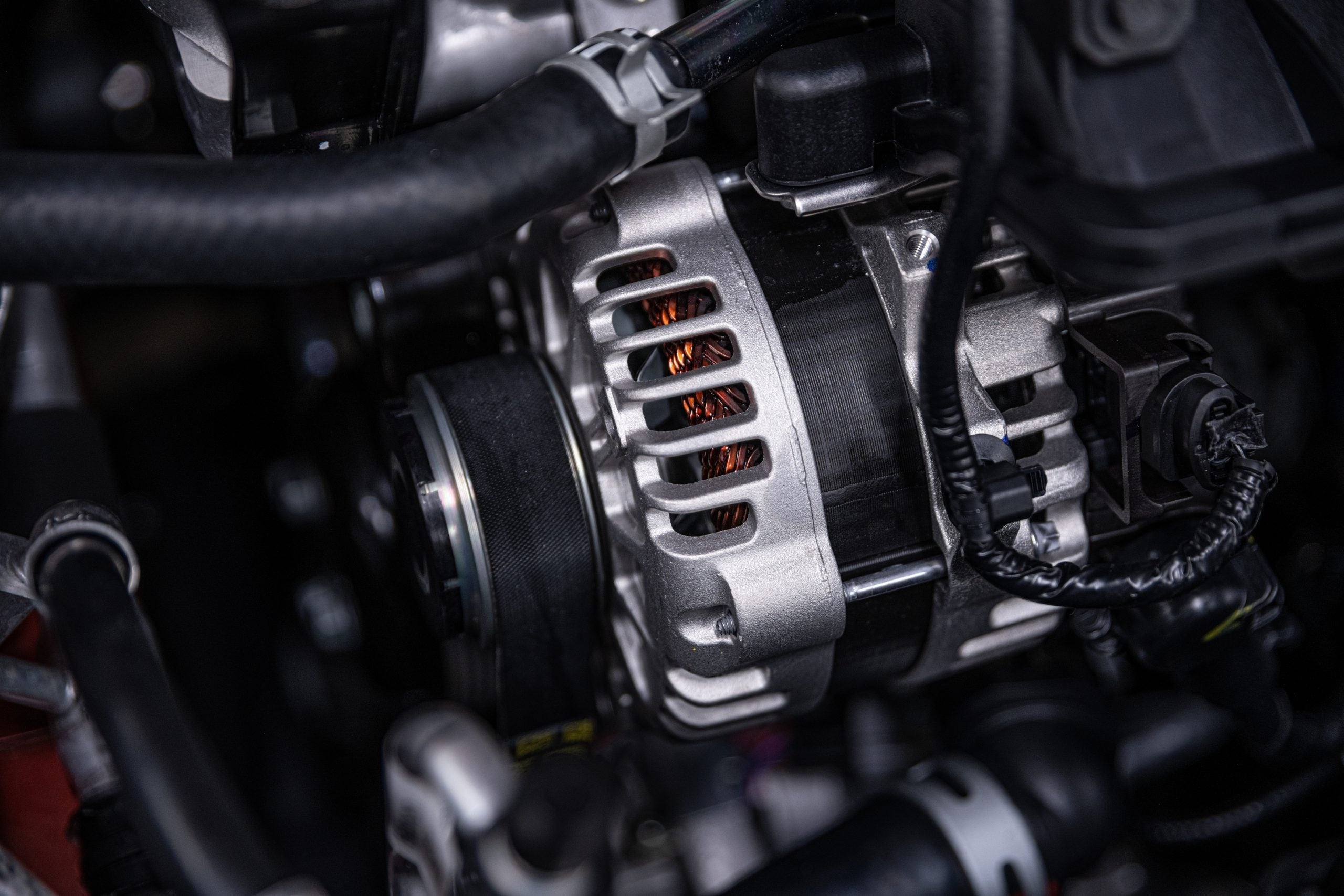
standard image of an alternator from a vehicle

7 Signs Your Mazda's Alternator Needs Service

If your alternator starts to malfunction, it can lead to a host of issues. To determine whether your Mazda needs an alternator service from your Mazda dealer, watch out for the following signs. 7 Signs Your Mazda Needs an Alternator Service From Your Mazda Dealer 1. Illuminated Battery Warning Light As you drive your vehicle, the demand for power increases, and the alternator works harder to uphold the required voltage. A malfunctioning alternator may struggle to keep up with these demands and cause the battery warning light to go on due to voltage fluctuations or to flicker, especially when you turn on your headlights or use accessories. 2. Dim or Flickering Headlights A faulty alternator struggles to produce sufficient power to keep the lights consistently bright while the accessories are in use. When you accelerate or use accessories, you might notice the headlights dimming, flickering, or fluctuating between dim and bright. 3. Malfunctioning Accessories You may notice a variety of issues with the accessories at the same time. Your windshield wipers and windows may move more slowly, the power seats may stop working, and your sunroof might get stuck. Minimize the use of the accessories to avoid a complete alternator failure until it's repaired. more 4. Burning Odors When the alternator is under strain, it can generate excessive power, leading to overheated wires. A misaligned pulley will increase friction on the rubber belt. When too much heat is generated, it causes a distinct electrical burning odor. 5. Stalls If your alternator malfunctions while you're driving, your car might stall. This usually occurs alongside the illumination of the battery light. It's important to note if the alternator is responsible for stalling your vehicle, it's only a matter of time before it happens again. 6. Hard Starts A failing alternator relies on the battery's power to keep the electrical system running. If a faulty alternator is not recharging the battery, your battery will lack the necessary charge to start your car. A quick jump-start might kick-start the engine if your battery can still hold a charge, but it won't keep it running for long. 7. Dead Battery When your alternator fails, it strains your battery. Your battery is not meant for long-term power supply, so it tries to compensate and eventually drains and dies. To check if the battery or alternator is causing the issue, you can jump-start your car and disconnect the cables promptly. If the alternator doesn't charge the system, your vehicle won't run. If your vehicle continues running, then the battery is causing the problem. Don't allow a malfunctioning alternator to cause your vehicle to break down. If you're struggling with failing accessories, dim lights, stalls, or hard starts, stop at Royal Moore Mazda in Hillsboro, OR, today. Our team of Mazda technicians will sort out your alternator problems expertly.

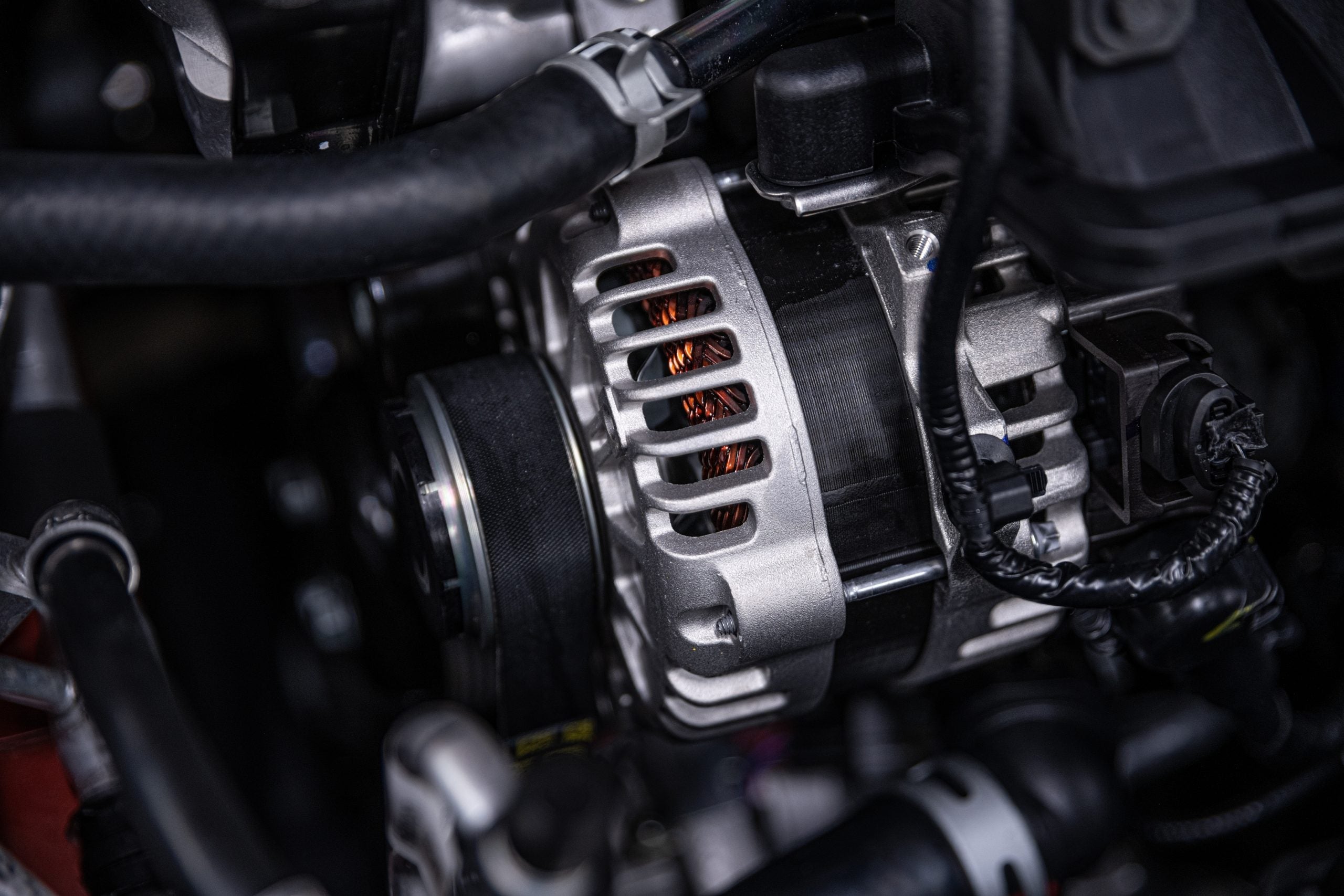
standard image of an alternator from a vehicle

7 Signs Your Mazda's Alternator Needs Service

If your alternator starts to malfunction, it can lead to a host of issues. To determine whether your Mazda needs an alternator service from your Mazda dealer, watch out for the following signs. 7 Signs Your Mazda Needs an Alternator Service From Your Mazda Dealer 1. Illuminated Battery Warning Light As you drive your vehicle, the demand for power increases, and the alternator works harder to uphold the required voltage. A malfunctioning alternator may struggle to keep up with these demands and cause the battery warning light to go on due to voltage fluctuations or to flicker, especially when you turn on your headlights or use accessories. 2. Dim or Flickering Headlights A faulty alternator struggles to produce sufficient power to keep the lights consistently bright while the accessories are in use. When you accelerate or use accessories, you might notice the headlights dimming, flickering, or fluctuating between dim and bright. 3. Malfunctioning Accessories You may notice a variety of issues with the accessories at the same time. Your windshield wipers and windows may move more slowly, the power seats may stop working, and your sunroof might get stuck. Minimize the use of the accessories to avoid a complete alternator failure until it's repaired. more 4. Burning Odors When the alternator is under strain, it can generate excessive power, leading to overheated wires. A misaligned pulley will increase friction on the rubber belt. When too much heat is generated, it causes a distinct electrical burning odor. 5. Stalls If your alternator malfunctions while you're driving, your car might stall. This usually occurs alongside the illumination of the battery light. It's important to note if the alternator is responsible for stalling your vehicle, it's only a matter of time before it happens again. 6. Hard Starts A failing alternator relies on the battery's power to keep the electrical system running. If a faulty alternator is not recharging the battery, your battery will lack the necessary charge to start your car. A quick jump-start might kick-start the engine if your battery can still hold a charge, but it won't keep it running for long. 7. Dead Battery When your alternator fails, it strains your battery. Your battery is not meant for long-term power supply, so it tries to compensate and eventually drains and dies. To check if the battery or alternator is causing the issue, you can jump-start your car and disconnect the cables promptly. If the alternator doesn't charge the system, your vehicle won't run. If your vehicle continues running, then the battery is causing the problem. Don't allow a malfunctioning alternator to cause your vehicle to break down. If you're struggling with failing accessories, dim lights, stalls, or hard starts, stop at Royal Moore Mazda in Hillsboro, OR, today. Our team of Mazda technicians will sort out your alternator problems expertly.

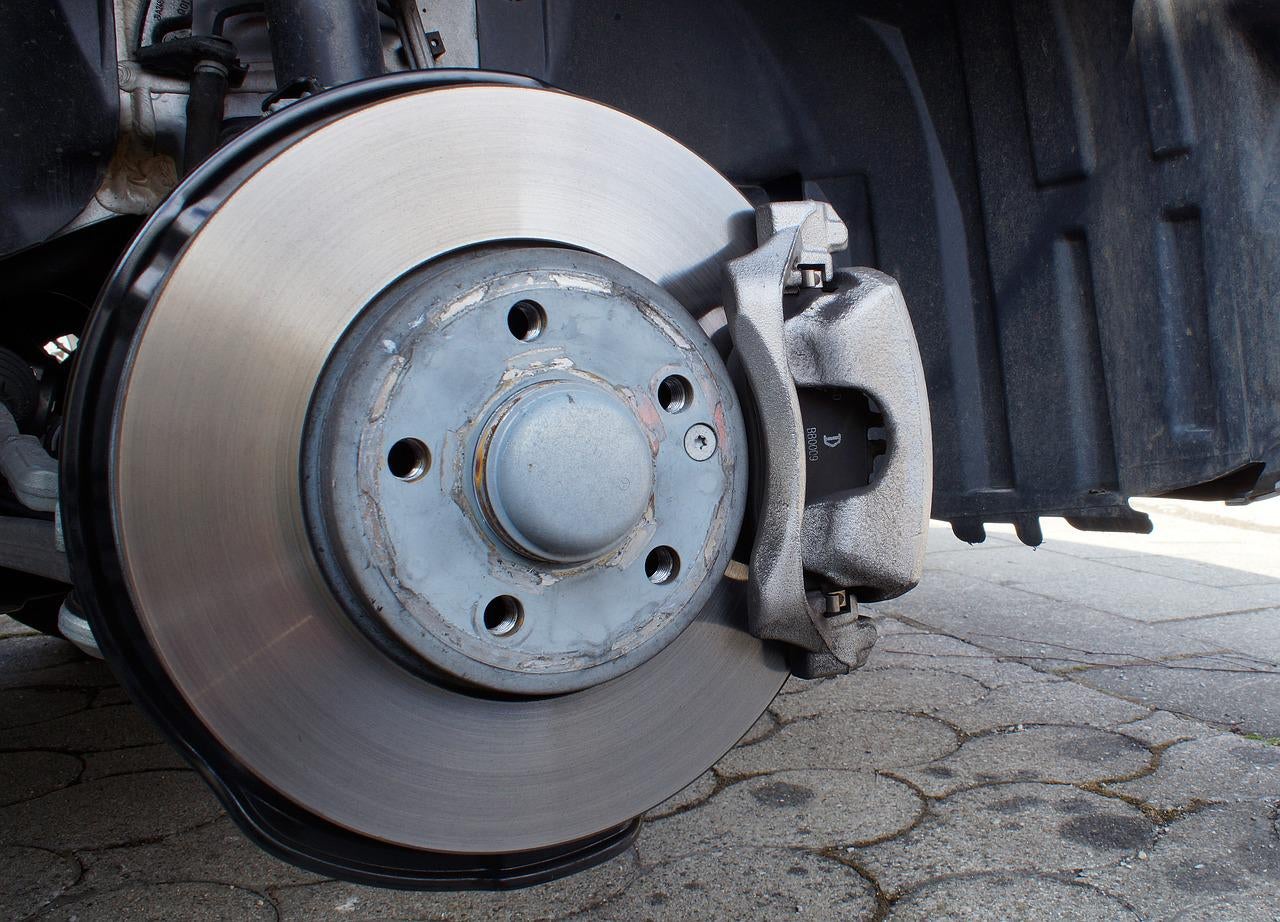
brake-system-2173372_1280

5 Signs Your Mazda Needs a Brake Repair

Brakes are the unsung heroes of your car, working hard to ensure that you stop on a dime every time you press the pedal. However, if you neglect to properly maintain your brakes, that stopping precision may one day diminish. Along with routine brake inspections at your local Mazda dealer, it's crucial to get brake repair promptly carried out at any indication of trouble. Here are five key warning signs to look out for. 5 Signs Your Mazda Needs a Brake Repair Your Brake Pads Are Squealing Brakes occasionally emit squealing sounds for various reasons. Sometimes, this noise means there's a little water on the brake pads, in which case the noise won't last. If the squealing persists, your brakes might have a rust issue. More commonly, squealing points to a worn-out brake pad, which is designed to make this noise to let you know it's time for a new pad. If you hear metallic grinding sounds, one of your pads might have lost its upper friction layer altogether, which means it's causing damage to the rotor and needs to be replaced immediately. more Your Rotor Discs Are Pulsing Most rotors are made from cast iron or even stronger materials and tend to last a very long time. However, overheating or excessive use can weaken a rotor and cause it to warp or become scored by the brake pad. If this happens, you may feel a rhythmic pulsing through the brake pedal and steering wheel as a brake pad presses against a malformed rotor. Your Calipers Are Clattering The calipers serve as the casing for each braking mechanism. If one of the pistons inside a caliper seizes or a loose bolt, pin, or stone becomes trapped in the caliper, you might hear it clattering or grinding when you brake. Your Brake Pedal Feels Spongy Any soft or spongy sensation to the brake pedal may point to leaking brake fluid. This means optimal hydraulic pressure has been lost inside one of the brake lines and your car will no longer stop as promptly. Never continue to drive if you suspect leaking brake fluid. Your Brakes Are Overheating Towing heavy trailers, descending steep mountain roads, winding through hills, and navigating busy city traffic all require continuous braking. This can sometimes cause brakes to reach enormous temperatures and overheat, which may lead to brake fade. The phenomenon of brake fade temporarily reduces the friction necessary to stop a car. If your brakes seem to suddenly weaken, pull over safely and allow them to cool down. If the problem continues when your brakes are cool, ask a trusted technician to take a look. Have Your Brakes Inspected at Your Mazda Dealer Regular brake inspection is the flip side of the brake maintenance coin. It's advisable to have your brakes inspected at your local dealer twice a year; our technicians can let you know how safe your brakes currently are to use and quickly repair or replace worn-out parts. Visit Royal Moore Mazda in Hillsboro, OR, today to have your brakes examined by experienced professionals. Our locally owned and operated dealership provides consistently high-quality customer care, whatever your automobile needs may be.

brake-system-2173372_1280

5 Signs Your Mazda Needs a Brake Repair

Brakes are the unsung heroes of your car, working hard to ensure that you stop on a dime every time you press the pedal. However, if you neglect to properly maintain your brakes, that stopping precision may one day diminish. Along with routine brake inspections at your local Mazda dealer, it's crucial to get brake repair promptly carried out at any indication of trouble. Here are five key warning signs to look out for. 5 Signs Your Mazda Needs a Brake Repair Your Brake Pads Are Squealing Brakes occasionally emit squealing sounds for various reasons. Sometimes, this noise means there's a little water on the brake pads, in which case the noise won't last. If the squealing persists, your brakes might have a rust issue. More commonly, squealing points to a worn-out brake pad, which is designed to make this noise to let you know it's time for a new pad. If you hear metallic grinding sounds, one of your pads might have lost its upper friction layer altogether, which means it's causing damage to the rotor and needs to be replaced immediately. more Your Rotor Discs Are Pulsing Most rotors are made from cast iron or even stronger materials and tend to last a very long time. However, overheating or excessive use can weaken a rotor and cause it to warp or become scored by the brake pad. If this happens, you may feel a rhythmic pulsing through the brake pedal and steering wheel as a brake pad presses against a malformed rotor. Your Calipers Are Clattering The calipers serve as the casing for each braking mechanism. If one of the pistons inside a caliper seizes or a loose bolt, pin, or stone becomes trapped in the caliper, you might hear it clattering or grinding when you brake. Your Brake Pedal Feels Spongy Any soft or spongy sensation to the brake pedal may point to leaking brake fluid. This means optimal hydraulic pressure has been lost inside one of the brake lines and your car will no longer stop as promptly. Never continue to drive if you suspect leaking brake fluid. Your Brakes Are Overheating Towing heavy trailers, descending steep mountain roads, winding through hills, and navigating busy city traffic all require continuous braking. This can sometimes cause brakes to reach enormous temperatures and overheat, which may lead to brake fade. The phenomenon of brake fade temporarily reduces the friction necessary to stop a car. If your brakes seem to suddenly weaken, pull over safely and allow them to cool down. If the problem continues when your brakes are cool, ask a trusted technician to take a look. Have Your Brakes Inspected at Your Mazda Dealer Regular brake inspection is the flip side of the brake maintenance coin. It's advisable to have your brakes inspected at your local dealer twice a year; our technicians can let you know how safe your brakes currently are to use and quickly repair or replace worn-out parts. Visit Royal Moore Mazda in Hillsboro, OR, today to have your brakes examined by experienced professionals. Our locally owned and operated dealership provides consistently high-quality customer care, whatever your automobile needs may be.

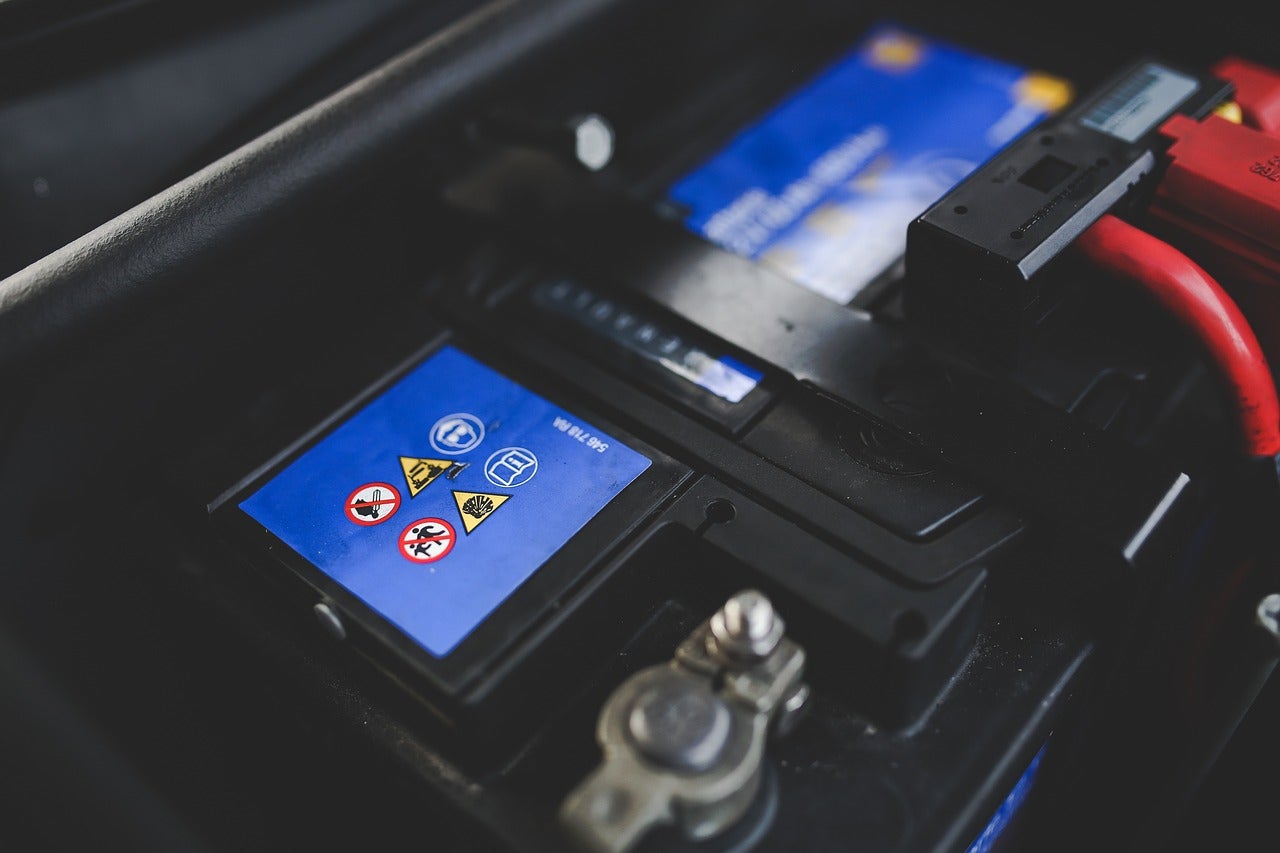
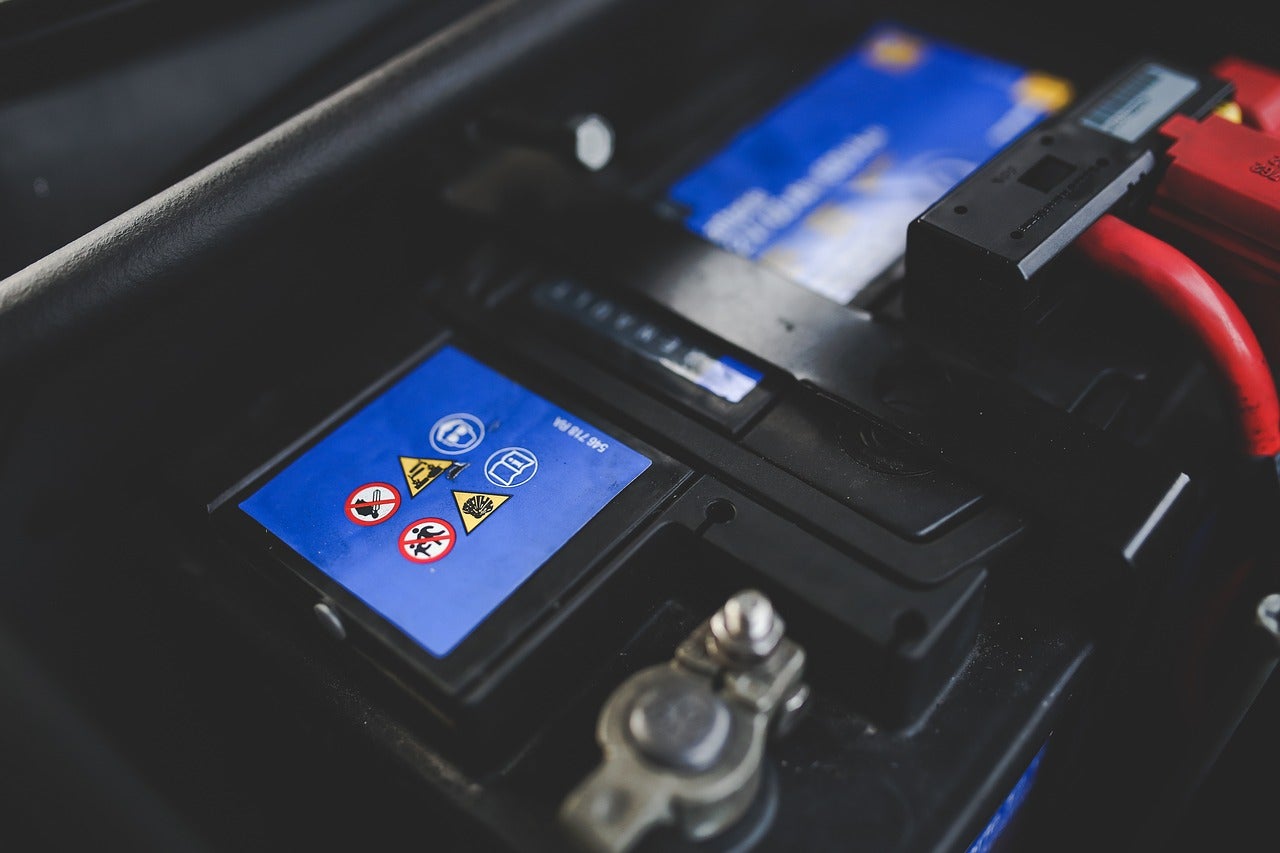
battery

Getting a New Car Battery for Your Mazda

​​​​​​​​​​​​​​​​As time passes, your car battery will slowly weaken due to the chemical processes inside it that allow it to store electricity. The electricity in the battery is used to power your car systems when your engine is switched off. This energy is also used to start your engine. At your Mazda dealership, we can replace your battery when it wears out. These are some signs that you may need a new car battery. Signs You Need a New Car Battery From Your Mazda Dealership Your Battery Is Old The average lifespan of a battery is three to five years. Under ideal conditions, it could last for six years. It is also possible for a battery to fail earlier due to exposure to extreme heat or cold. A battery can also fail due to other problems, for example, overcharging by a damaged alternator. An older battery's electrical storage capacity drops, and it won't supply the level of electricity it once did. An older battery will take longer to start your engine, and you'll also experience problems like dim headlights and electrical failures. We can test your battery to determine if this is the problem. If our battery tester confirms that your battery is failing, we can install a new battery for you. more Loose Cables Your battery is securely connected to the electrical system by two cables that connect to its positive and negative terminals. The cables allow the battery to supply power and also to recharge. They will move slightly when you're driving, and over time, these slight movements can cause a small gap between the cable connectors and the terminals. Electricity can't flow through a gap, and this will quickly cause battery problems. The battery won't receive or supply electricity, and without this electricity, your car won't start. Our technicians can easily tighten the connectors to fix this problem. This problem won't damage your battery, so it won't be necessary to replace it. Corroded Terminals Corrosion can quickly destroy the battery terminals. It's an acidic salt that can be blue, gray, or green, and it forms around the terminals of a weakening battery. This acidic salt is created by hydrogen sulfide, which is drawn to the battery terminals. Hydrogen sulfide isn't naturally present in an engine. It forms as the sulfuric acid in your battery breaks down. Sulfuric acid releases hydrogen as it breaks down, and the hydrogen joins with sulfur vapor in the engine. These two chemicals form hydrogen sulfide which has a characteristic rotten egg smell. If you smell rotten eggs, your terminals may already be corroding. Corrosion can be temporarily removed with a steel brush, but it will return as your battery is failing. We'll replace your battery with a new one to fix this problem. If you have a battery problem, visit our service department today at Royal Moore Mazda.

battery

Getting a New Car Battery for Your Mazda

​​​​​​​​​​​​​​​​As time passes, your car battery will slowly weaken due to the chemical processes inside it that allow it to store electricity. The electricity in the battery is used to power your car systems when your engine is switched off. This energy is also used to start your engine. At your Mazda dealership, we can replace your battery when it wears out. These are some signs that you may need a new car battery. Signs You Need a New Car Battery From Your Mazda Dealership Your Battery Is Old The average lifespan of a battery is three to five years. Under ideal conditions, it could last for six years. It is also possible for a battery to fail earlier due to exposure to extreme heat or cold. A battery can also fail due to other problems, for example, overcharging by a damaged alternator. An older battery's electrical storage capacity drops, and it won't supply the level of electricity it once did. An older battery will take longer to start your engine, and you'll also experience problems like dim headlights and electrical failures. We can test your battery to determine if this is the problem. If our battery tester confirms that your battery is failing, we can install a new battery for you. more Loose Cables Your battery is securely connected to the electrical system by two cables that connect to its positive and negative terminals. The cables allow the battery to supply power and also to recharge. They will move slightly when you're driving, and over time, these slight movements can cause a small gap between the cable connectors and the terminals. Electricity can't flow through a gap, and this will quickly cause battery problems. The battery won't receive or supply electricity, and without this electricity, your car won't start. Our technicians can easily tighten the connectors to fix this problem. This problem won't damage your battery, so it won't be necessary to replace it. Corroded Terminals Corrosion can quickly destroy the battery terminals. It's an acidic salt that can be blue, gray, or green, and it forms around the terminals of a weakening battery. This acidic salt is created by hydrogen sulfide, which is drawn to the battery terminals. Hydrogen sulfide isn't naturally present in an engine. It forms as the sulfuric acid in your battery breaks down. Sulfuric acid releases hydrogen as it breaks down, and the hydrogen joins with sulfur vapor in the engine. These two chemicals form hydrogen sulfide which has a characteristic rotten egg smell. If you smell rotten eggs, your terminals may already be corroding. Corrosion can be temporarily removed with a steel brush, but it will return as your battery is failing. We'll replace your battery with a new one to fix this problem. If you have a battery problem, visit our service department today at Royal Moore Mazda.

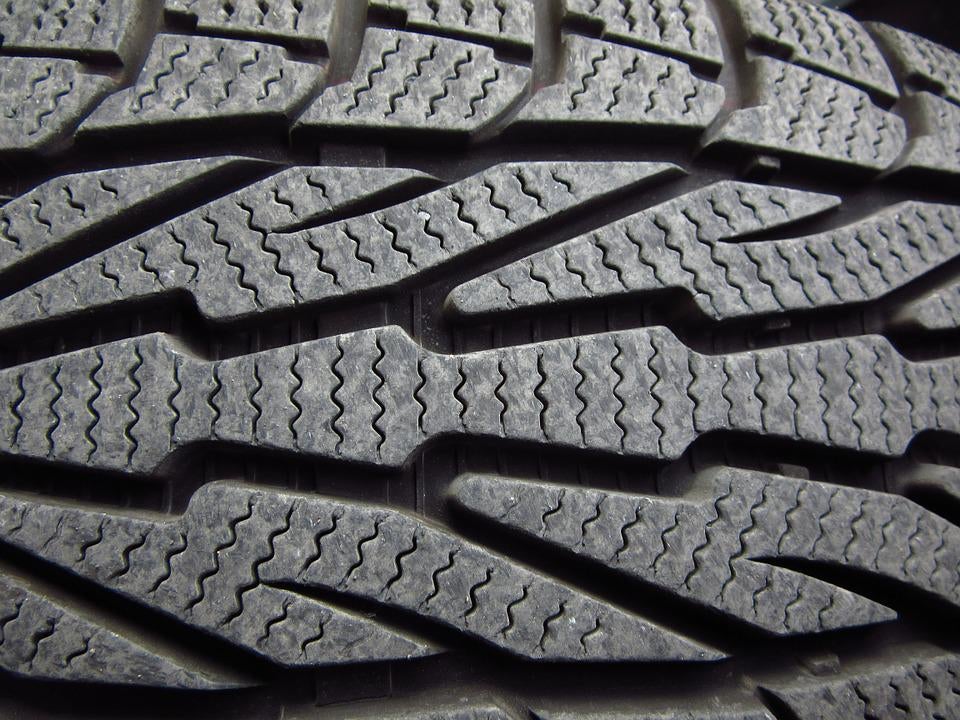
tires

Time for New Tires? Visit Your Mazda Dealership

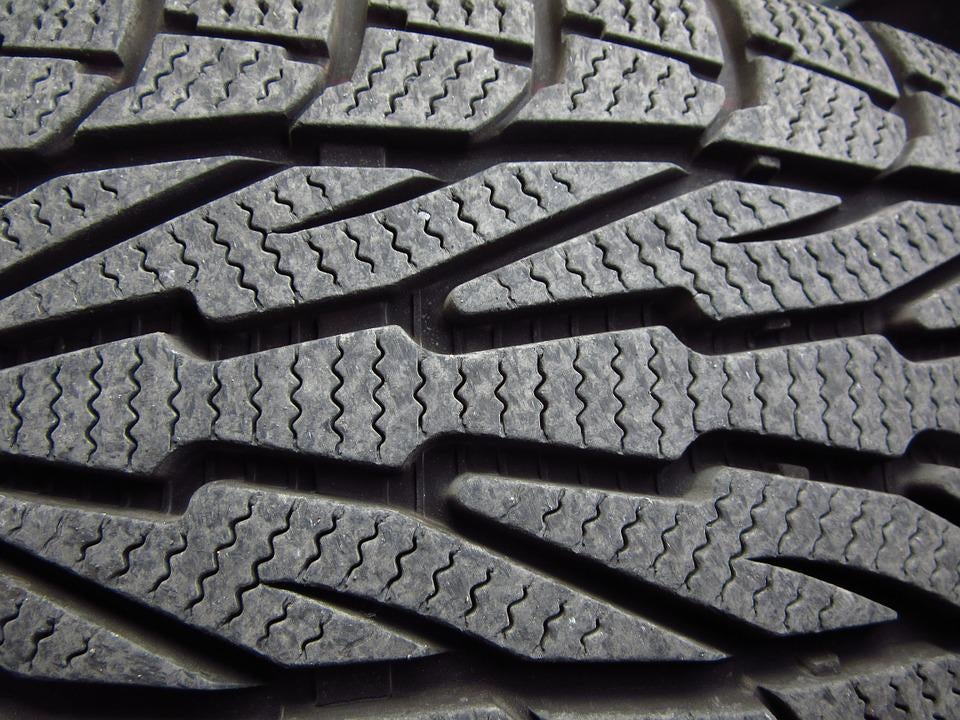
Tires are crucial for safety, fuel efficiency, and performance. Wondering when it's time to replace them? Let's run through some signs that it's time for new tires from your Mazda dealership. Your Tread Depth Fails the Penny Test An easy way to check if your tires need replacing is by performing the penny test. Simply insert a penny into the tire's tread groove with Lincoln's head facing down. If you can see all of Lincoln's head, that means that your tread is less than 2/32 of an inch deep, and your tires aren't safe for the road anymore. Proper tread is vital for good traction, especially in wet conditions. There Are Cracks and Bulges on Your Tire Take a close look at the sidewalls of your tires. If you see cracks or bulges, it's an indication that your tires are aging, weakened, or damaged. This kind of damage could lead to a blowout. To avoid this risk, your tires should be replaced as soon as possible. more Vibration on the Road Feeling excessive vibration in the steering wheel, especially at higher speeds? While this could just be the result of bumpy roads, if you're noticing unusual vibrations even on smooth streets, there's probably something wrong. It could mean your tires are unevenly worn, unbalanced, or in some cases, damaged internally. You Keep Topping Off Leaky Tires If you find yourself constantly refilling your tires with air, it could be a sign of a slow leak. Regularly losing pressure is not only a hassle, but it also affects your vehicle's handling and reduces your fuel efficiency. Some leaks can be patched, but if your tires are too badly damaged, you will need some new ones. Your Tires Are Too Old Tire age is an often overlooked part of their health. With time, the rubber in tires degrades, affecting their performance and rendering them susceptible to leaks and damage. Most tires should be replaced by the time they are six years old, regardless of how they look. Uneven Wear Patterns Uneven wear on your tires is usually a sign of another problem. Maybe you just never rotated your tires, or perhaps they spent too long improperly inflated or poorly aligned. Regular tire rotations are a great way to prevent this problem. Take a Trip to the Mazda Dealership for New Tires The technicians at the dealership are specifically trained to handle Mazda vehicles. We know exactly what type of tires your car needs for optimal performance and safety, and can ensure they are mounted, balanced, and aligned correctly. Remember, your tires are the only point of contact with the road, so keep them in good shape! Visit Royal Moore Mazda and let us look at your tires.

tires

Time for New Tires? Visit Your Mazda Dealership

Tires are crucial for safety, fuel efficiency, and performance. Wondering when it's time to replace them? Let's run through some signs that it's time for new tires from your Mazda dealership. Your Tread Depth Fails the Penny Test An easy way to check if your tires need replacing is by performing the penny test. Simply insert a penny into the tire's tread groove with Lincoln's head facing down. If you can see all of Lincoln's head, that means that your tread is less than 2/32 of an inch deep, and your tires aren't safe for the road anymore. Proper tread is vital for good traction, especially in wet conditions. There Are Cracks and Bulges on Your Tire Take a close look at the sidewalls of your tires. If you see cracks or bulges, it's an indication that your tires are aging, weakened, or damaged. This kind of damage could lead to a blowout. To avoid this risk, your tires should be replaced as soon as possible. more Vibration on the Road Feeling excessive vibration in the steering wheel, especially at higher speeds? While this could just be the result of bumpy roads, if you're noticing unusual vibrations even on smooth streets, there's probably something wrong. It could mean your tires are unevenly worn, unbalanced, or in some cases, damaged internally. You Keep Topping Off Leaky Tires If you find yourself constantly refilling your tires with air, it could be a sign of a slow leak. Regularly losing pressure is not only a hassle, but it also affects your vehicle's handling and reduces your fuel efficiency. Some leaks can be patched, but if your tires are too badly damaged, you will need some new ones. Your Tires Are Too Old Tire age is an often overlooked part of their health. With time, the rubber in tires degrades, affecting their performance and rendering them susceptible to leaks and damage. Most tires should be replaced by the time they are six years old, regardless of how they look. Uneven Wear Patterns Uneven wear on your tires is usually a sign of another problem. Maybe you just never rotated your tires, or perhaps they spent too long improperly inflated or poorly aligned. Regular tire rotations are a great way to prevent this problem. Take a Trip to the Mazda Dealership for New Tires The technicians at the dealership are specifically trained to handle Mazda vehicles. We know exactly what type of tires your car needs for optimal performance and safety, and can ensure they are mounted, balanced, and aligned correctly. Remember, your tires are the only point of contact with the road, so keep them in good shape! Visit Royal Moore Mazda and let us look at your tires.

Contact Us

Fill out this form below and we'll contact you shortly
*Required Fields